
 English
  日本語
日本語  한국어
한국어  français
  Deutsch
  ไทย
ไทย  Español
  italiano
  português
  العربية
  हिंदी
हिंदी Tel
0571-28818756
 View More


If you run a physical retail store, shoplifting is a constant threat to your bottom line. Leaving your best products out on the floor where customers can touch them boosts sales, but it also increases the risk of theft.
To solve this problem, modern stores rely on a simple but highly effective tool: the EAS security tags. When used correctly, these tiny devices allow you to display merchandise openly without worrying about inventory walkouts. This guide breaks down exactly how these tags work, what they are made of, and how to choose the right system for your business.
To put it simply, what is an EAS tag? An EAS tag (Electronic Article Surveillance tag) is a small security device attached directly to merchandise. Its main job is to communicate with the detection gates at your store's exit, acting as an automatic gatekeeper for your inventory.
The way EAS security tags stop theft comes down to a simple three-step process:
The Alert Zone: The security gates at your exit constantly emit an invisible wireless signal.
The Interference: If a shoplifter tries to carry an item through the doors with an active tag still attached, the tag disrupts that wireless signal. The gates instantly detect this disruption and trigger a loud alarm.
The Clean Checkout: When an item is paid for legally, the cashier uses a specialized tool at the counter to remove the hard plastic tag or deactivate the sticker tag. This makes the tag "silent," allowing the paying customer to walk out of the store without setting off any alarms.
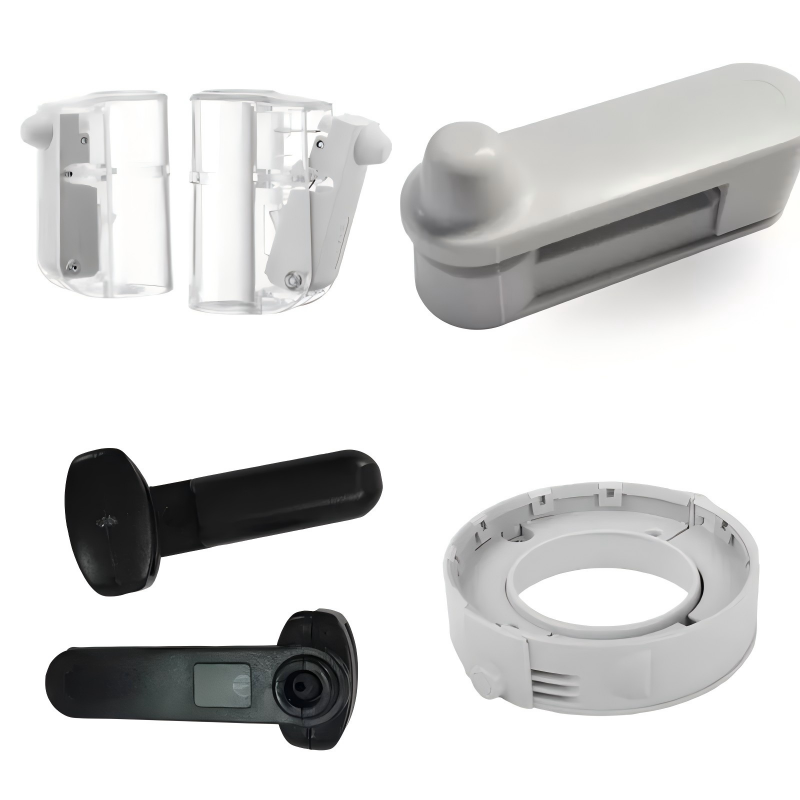
If you cut open a retail sensor, you will find that they are built differently depending on how they are used. To understand what is an EAS security tag from a practical standpoint, you need to know about the two main types of hardware available for your store.
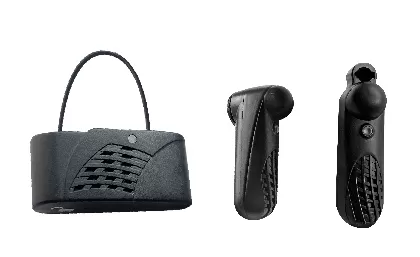
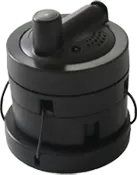
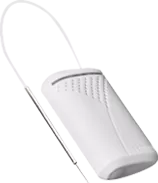
These are reusable, tough plastic tags typically locked onto clothing, shoes, and bags. They are made of high-impact ABS plastic that resists heavy tools and smashing. Inside the tag, there is a strong mechanical lock that holds onto a grooved metal pin. Alongside the lock sits a small copper coil or metal strip that talks to your store's exit gates.
These are thin, disposable stickers frequently used on packaged goods, cosmetics, and electronics. Instead of a heavy plastic shell, they use a multi-layer adhesive backing. Embedded inside the sticker is a flat, flexible paper-thin circuit. These are perfect for quick application during checkout or right at the factory floor.
An individual EAS tag cannot protect your merchandise on its own. It is part of a team, working seamlessly with other hardware at your checkout counters and doorways to form a complete security network.
A reliable loss prevention setup relies on three main components:
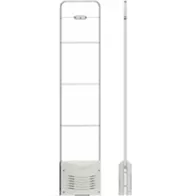
The Detection Gates: These are the pillars stands at your store exits. They create the invisible security wall across your doorway and look for any tags trying to slide past.
The Detachers and Deactivators: These sit strictly behind the cash register. Detachers use a specific magnetic force to pop open hard clothing tags, while deactivation pads use an electronic pulse to turn off the sticker tags on packaged items.
The Tags Themselves: These are the visible deterrents attached to your inventory on the sales floor, keeping honest shoppers honest and making thieves think twice.
Not all security systems use the same channel. When setting up your store, you will need to choose between two main technologies: Radio Frequency (RF) and Acousto-Magnetic (AM). Picking the right one depends entirely on what types of products you sell.
RF systems operate at 8.2 Megahertz (MHz) and are highly popular worldwide. They are incredibly cost-effective and work perfectly for clothing boutiques, supermarkets, and general retail. Because the sticker tags are very thin and flat, they are easy to hide on everyday packaging.
AM systems run at 58 Kilohertz (kHz). Instead of relying strictly on radio waves, they use microscopic magnetic strips that vibrate slightly when passing through exit gates. This unique vibration makes AM tags highly resistant to interference from metals and liquids. If you sell packaged electronics, liquids, cosmetics, or hardware tools, AM is the industry gold standard.
Buying Factors | Radio Frequency (RF) Tags | Acousto-Magnetic (AM) Tags |
Best Used For | Clothing, grocery stores, books | Electronics, cosmetics, liquids |
Metal & Liquid Resistance | Average (Can be blocked by foil) | Excellent (Unbothered by metals/liquids) |
Maximum Door Width | Good (Up to 1.6 meters) | Excellent (Up to 2.4 meters or wider) |
Tag Style | Flat, square paper stickers | Narrow, slightly raised plastic strips |
Cost | Very budget-friendly | Higher initial investment |
Investing in high-quality eas security tags changes how you run your business. When your merchandise is locked at the item level, you no longer need to lock expensive products behind glass cabinets or keep them in the back storeroom. You can put products directly into your customers' hands, which is proven to significantly increase sales and impulse buys.
It also frees up your employees. Instead of playing security guard and watching shoppers, your staff can focus on customer service, stocking shelves, and closing sales.
For international retail brands looking for a trusted manufacturing partner, Century has been leading this industry since 2003. As China's earliest listed company in the Electronic Article Surveillance (EAS) sector, Century operates one of the largest retail solution manufacturing bases in the world. Beyond high-durability hardware, Century provides innovative solutions like eco-friendly sustainable RFID tags that eliminate PET substrates, helping retail enterprises protect their inventory across more than 70 countries.
At the end of the day, a great loss prevention strategy should protect your inventory without ruining the shopping experience. By understanding how an EAS tag operates, choosing the right physical format, and matching your system frequency (RF vs. AM) to your product types, you can keep your shrinkage low and your profits high. Partnering with a proven global manufacturer ensures your store stays secure for the long haul.
No, standard retail EAS tags do not have batteries inside. They are passive devices that sleep until they step into the magnetic field created by your store's exit gates. The gates provide the temporary wireless power needed to wake up the tag and trigger the alarm.
Yes. Hard tags are made for a long, multi-year lifecycle. Once your cashier removes them at checkout using a magnetic detacher, you toss them into a bin behind the counter and clip them onto your next incoming shipment of clothes or shoes.
The most common cause is called "tag pollution"—when a customer walks into your store carrying an active tag from a different shop that a previous cashier forgot to deactivate. It can also happen if your own staff accidentally stores live inventory too close to the exit doors.
Standard EAS RF tags can sometimes be blocked or shielded if a thief places them inside a thick metal foil bag. However, AM tags use a mechanical magnetic vibration that is incredibly difficult to shield with standard consumer foil or metal sheets.
No, as long as they are applied correctly. The smooth, ultra-thin metal pins are designed to slide between the threads of the fabric weave rather than tearing through them. They are perfectly safe for delicate items like silk or high-end sportswear.
Source tagging is when EAS security tags or labels are built directly into the product or its packaging at the factory during manufacturing. This saves your in-store staff hours of manual labor, ensuring your items are 100% protected the moment they land on your retail shelves.