




 English
  日本語
日本語  한국어
한국어  français
  Deutsch
  ไทย
ไทย  Español
  italiano
  português
  العربية
  हिंदी
हिंदी Tel
0571-28818756
 View More


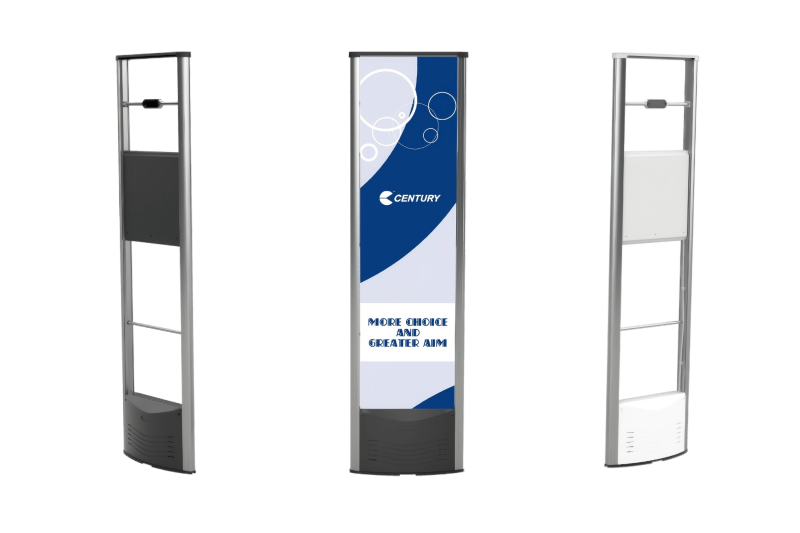
A traditional EAS Antenna functions primarily as an alarm—it signals that an item has passed, but not what item. An integrated RFID-EAS approach transfers each exit event into item-level intelligence by capturing SKU (EPC), quantity, timestamp, and portal location. This enables retailers to automatically reconcile inventory, reduce out-of-stocks caused by shrink, and identify repeat organized retail crime (ORC) patterns.
When evaluating RFID-EAS or modern RFID solutions as a unified technology stack (loss prevention + inventory + supply chain), it is useful to think of RFID-EAS as a form of Retail Intelligence—where every security event becomes structured data that enterprise systems can act on.
Shrink is rarely limited to the cost of the stolen item. It creates a broader operational impact:
Lost inventory
Lost sales due to empty shelves
Increased manual cycle counts and exception handling
Reduced confidence in inventory accuracy, impacting replenishment and fulfillment
Traditional AM/RF EAS systems are effective at deterrence and alerting. However, without SKU-level identification, inventory systems cannot accurately adjust stock levels, which often leads to prolonged out-of-stock situations for high-demand products.
RFID-EAS integration combines deterrence with identification, creating a unified system that bridges physical security and digital intelligence.
Dual-technology tags combine:
An EAS component for alarm triggering
An RFID chip storing a unique Electronic Product Code (EPC)
This represents the transition from “incident” to “insight,” allowing each event to become a structured, traceable data record.

At the exit, RFID-enabled Antennas read tag data and decode EPCs using the UHF band (860–960 MHz). These events can be enriched through system integration with:
Store and zone identifiers
Timestamps
POS status (e.g., paid vs. unpaid)
Alarm status
Optional video system correlation
The key difference between traditional EAS and RFID-EAS lies in data visibility.
Standard EAS: An alarm triggers. Staff respond. The item is lost. No detailed data is captured.
RFID-EAS: A structured digital record is generated, including:
SKU/EPC
Product attributes (e.g., size, color)
Quantity
Timestamp
Exit location
Optional video reference
This enables immediate inventory adjustment and faster replenishment decisions, shifting loss prevention from reactive to data-driven shrink forensics.
Organized Retail Crime (ORC) often involves coordinated, multi-item theft events across locations. RFID-EAS data enables retailers to:
Detect repeat patterns involving the same SKUs.
Identify high-risk stores or zones.
Build structured incident reports for internal investigation.
Support collaboration with law enforcement through consistent, data-backed reporting.
RFID-EAS is a foundational data layer that supports multiple retail operations:
Automated inventory reconciliation
Reduced manual cycle counting
Improved self-checkout efficiency (where RFID workflows are implemented)
Enhanced Omni-channel fulfillment accuracy (BOPIS, ship-from-store)
Improved receiving and store-to-store transfer verification
| Metric | Standard EAS | RFID-EAS Integration |
|---|---|---|
| Alerting | Sound/light only | Item-level identification + alert |
| Inventory Impact | Manual recount required | Real-time inventory updates |
| Analytics | Limited | Event-level analytics and reporting |
| Checkout Process | Manual deactivation | RFID-enabled automation options |
At the “Retail Intelligence” maturity level, you’re not just buying a gate—you’re buying a technology stack. Use this checklist when evaluating vendors:
Standards alignment: Ensure GS1 / EPC Gen2 UHF interoperability.
Tag strategy: Confirm availability of dual-technology tags and source-tagging support.
Integration depth: Look for robust APIs, dashboards, and the ability to correlate with POS and video.
Operational design: Focus on false-alarm reduction so associates trust the system.
Ecosystem scalability: Ensure the solution can scale across regions and store formats.
Explore Century's comprehensive RFID products and systems.
Before deployment, retailers should assess:
Item-level RFID tagging strategy for key categories
Inventory system readiness for real-time updates
Defined shrink-to-sales impact model
Need for centralized analytics dashboards
Compliance with regional UHF standards
Established workflows for incident escalation and ORC response
Retailers today need more than alarms—they need actionable insights. RFID-EAS integration transforms loss events into structured data, enabling real-time inventory visibility, improved replenishment, and stronger ORC response.
By turning every exit event into intelligence, retailers can move beyond reactive security and build a more accurate, efficient, and data-driven operation.
To learn more about how integrated RFID solutions can support both loss prevention and inventory optimization, explore Century’s RFID systems and product portfolio.