
 English
  日本語
日本語  한국어
한국어  français
  Deutsch
  ไทย
ไทย  Español
  italiano
  português
  العربية
  हिंदी
हिंदी Tel
0571-28818756
 View More


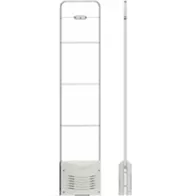
In luxury retail, traditional EAS pedestals often conflict with store design and customer experience. Bulky antennas, visible wiring, and “security style” entrances can undermine the premium environment that high-end brands work hard to create.
Invisible EAS anti-theft systems—including underfloor antenna and concealed architectural integrations—offer a modern alternative. These solutions deliver strong detection performance while maintaining open, elegant, and frictionless store entrances.
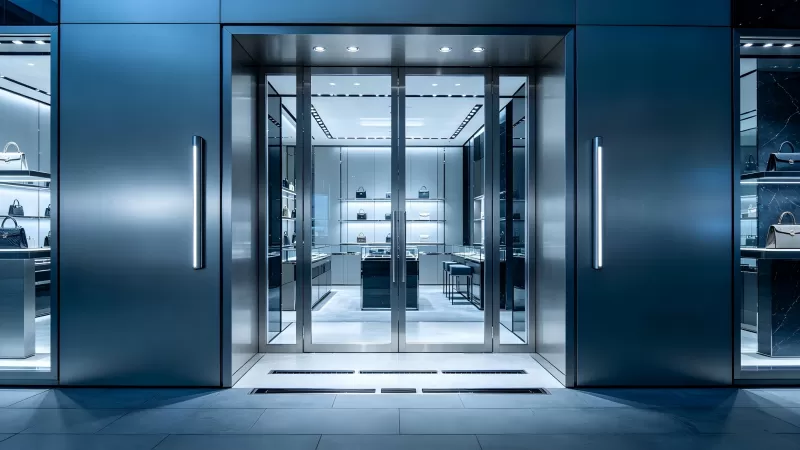
In luxury retail, shrinkage is not only about stolen products—it’s also about lost brand equity.
High-value items such as designer handbags, watches, cosmetics, and limited-edition products are prime targets for organized retail crime (ORC). At the same time, high-net-worth customers expect a seamless and welcoming in-store experience.
High-value merchandise increases loss risk
Premium environments demand low-friction security
A single lost item ($3,000–$10,000) can erase multiple sales margins
The solution is not more visible security—but smarter, invisible protection.
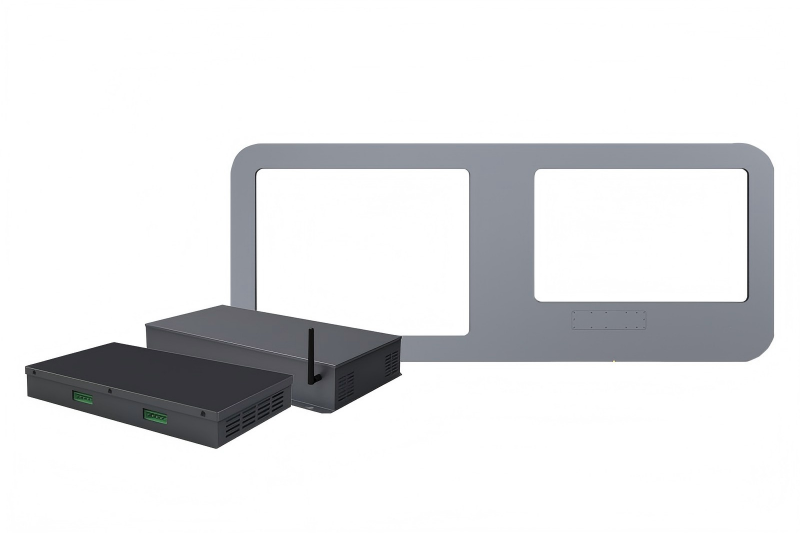
Underfloor EAS systems use embedded loop antennas installed beneath the finished floor to create a vertical detection field at store entrances.
Flagship boutiques with open or “infinity” entrances
Glass storefronts with minimal structural elements
High-end retail environments requiring clean visual presentation
Zero visual impact with strong detection coverage.
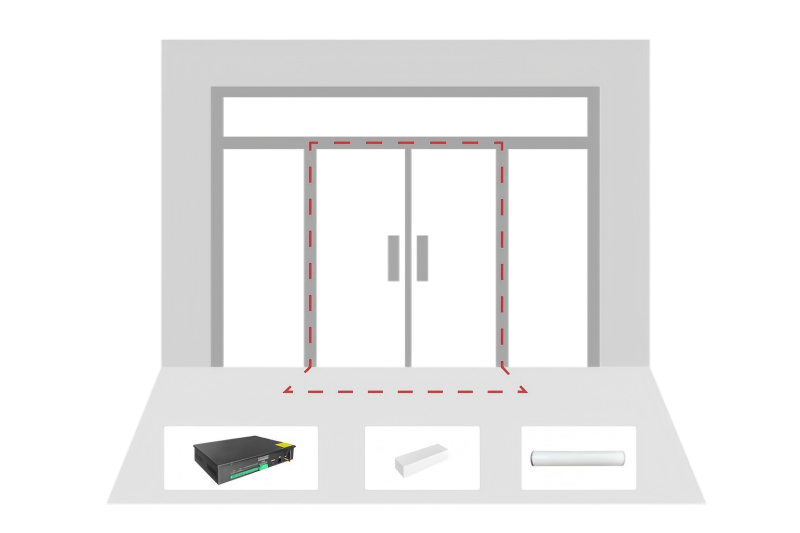
EAS antennas are integrated into door frames, walls, columns, or custom millwork—making security part of the architecture itself.
Luxury boutiques with custom interior design
Projects requiring complete visual invisibility
High-end retail environments with strict design standards
Seamless integration with premium store design.
Luxury merchandise introduces technical challenges that impact EAS performance.
RF (Radio Frequency): Can be more sensitive to environmental interference.
AM (Acousto-Magnetic): Typically more stable in environments with metal, foil, or dense product displays.
For retailers selling products with metallic components, reflective packaging, or dense merchandising near entrances, AM systems are often the preferred choice for maintaining reliable detection.
Key insight: Choosing the right frequency is critical to balancing detection performance and store aesthetics.
Visible pedestals can create a psychological barrier at store entrances—exactly where luxury brands want openness and comfort. Retail design best practices emphasize the importance of a clean, welcoming entrance to reduce friction and improve engagement.
Invisible EAS systems support this by:
Maintaining clean storefront lines
Enhancing visual merchandising
Reducing “security pressure” perception
Enabling open architectural concepts
Invisible security doesn't just protect products—it enhances the customer experience and supports conversion.
Modern loss prevention is no longer a single-layer system.
EAS answers: Was an item removed improperly?
RFID answers: Which item, from which SKU, and how often?
When integrated, EAS and RFID enable:
Item-level visibility and exception reporting
Faster and more accurate investigations
Improved inventory accuracy
Reduced “phantom shrinkage”
This shifts loss prevention from reactive alarms to proactive operational control.
Do underfloor EAS systems require renovation?
Typically, underfloor systems require a floor cavity of approximately 20–50 mm. They are easiest to install during new builds or major renovations, though retrofits are possible with proper planning.
What is the detection range of invisible EAS systems?
Detection depends on entrance width, ceiling height, antenna layout, tag type, and environmental conditions. A site survey is recommended for accurate planning.
Can traditional EAS tags work with invisible systems?
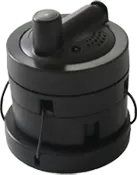
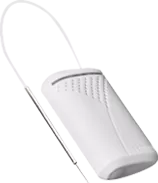
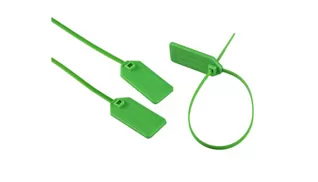
Yes. Most invisible EAS systems support standard hard tags and labels, as long as the technology (AM or RF) is properly matched.
| Feature | Traditional Pedestals | Underfloor EAS | Concealed EAS |
|---|---|---|---|
| Visual Impact | High (Obtrusive) | None (Invisible) | Low (Minimal) |
| Detection Width | Narrow | Wide | Medium–Wide |
| Best Use Case | Mass-market retail | Luxury retail | Wide entrances |
Choosing the right EAS solution for luxury retail requires balancing security performance, architectural design, and customer experience.
A successful deployment should:
Deliver reliable detection across wide entrances
Integrate seamlessly into store architecture
Support your product mix and materials
Align with your brand's visual identity
Contact us to explore a customized invisible EAS solution for your retail environment.