

 English
  日本語
日本語  한국어
한국어  français
  Deutsch
  ไทย
ไทย  Español
  italiano
  português
  العربية
  हिंदी
हिंदी Tel
0571-28818756
 View More


Investing in an Electronic Article Surveillance (EAS) setup is a major step toward protecting your store's profits, but buying the wrong components can ruin your investment. For procurement managers and retail business owners, the biggest decision involves choosing the right form factor for your merchandise. The choice usually comes down to a classic comparison: hard tags vs. soft tags.
Making the wrong choice can lead to damaged stock, high false-alarm rates, or wasted checkout labor. To ensure you make an informed decision, this guide contrasts both options, highlights proper store applications, and explains what to look for when evaluating global supply chains.
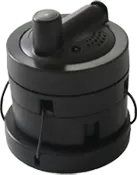
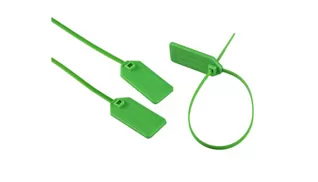
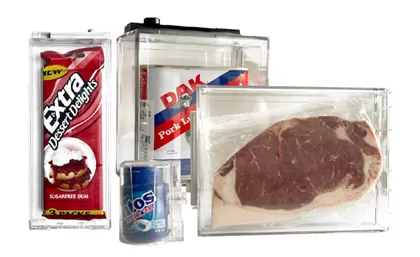
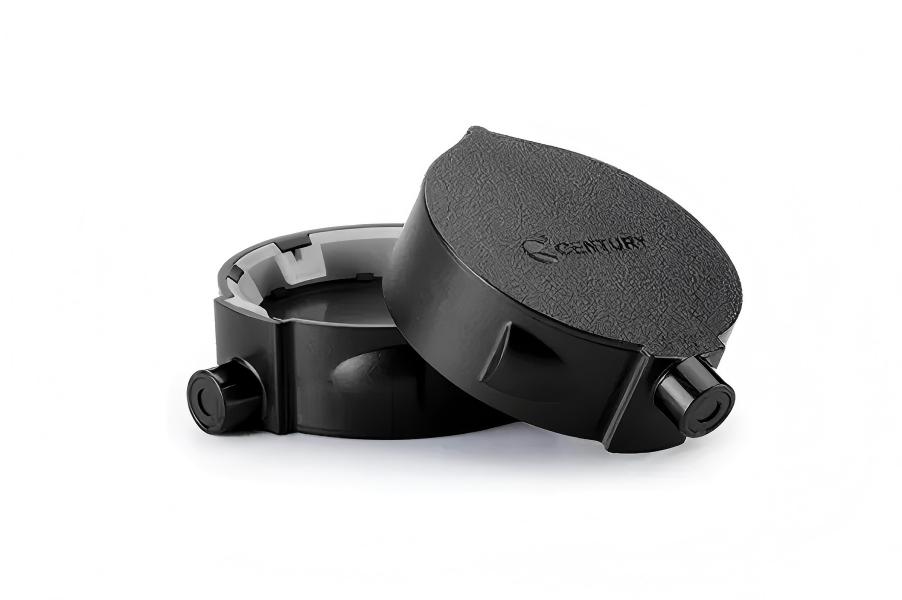
An EAS hard tag is a rugged, multi-use security device built to withstand heavy physical abuse. Constructed from high-impact plastics, these modules use a internal mechanical or magnetic locking clutch to hold a metal pin securely through a product. They provide an undeniable visual warning to shoplifters, signaling that an item cannot be stolen easily without ruining the product itself.
The ideal applications for an EAS hard tag involve durable goods that can be pierced, clamped, or strapped without losing their value. High-end fashion apparel, denim, heavy winter coats, and sportswear are the primary scenarios for this style. Because fabric threads can part slightly to accept a smooth metal pin, the item remains completely unharmed after removal.
Furthermore, hard housings work beautifully on premium footwear, handbags, and high-end luggage by using adjustable wire lanyards instead of direct pins. They are also highly effective when shaped into specialized bottle caps for wines and spirits, or plastic spider wraps that lock around boxed electronics. If your stock is expensive, highly targeted by thieves, and robust enough to handle a physical attachment, a reusable EAS hard tag offers the lowest total cost of ownership over time.
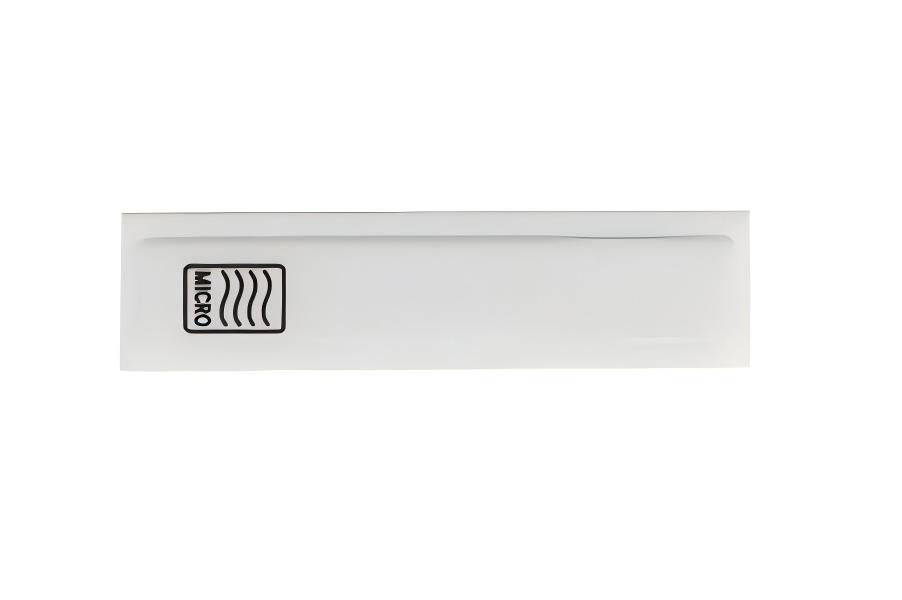
When dealing with delicate packaging, thin surfaces, or high-volume items that move quickly off shelves, a heavy plastic shell is impractical. This is where EAS soft tags provide an ideal alternative. These are thin, adhesive security stickers embedded with tiny, hidden circuits that blend in with standard retail barcodes.
Retailers should deploy EAS soft tags on merchandise where a pin would cause permanent damage or where the retail price does not justify a costly reusable tag. They are the go-to choice for cosmetics, boxed perfumes, over-the-counter pharmaceuticals, and small packaged electronics. Because they lay completely flat, they can be affixed seamlessly to book covers, CDs, packaged hardware tools, and groceries.
Using soft labels also accelerates high-volume retail environments. Cashiers do not need to spend time unclipping hardware; they simply slide the item across an electronic deactivation pad embedded in the counter, neutralizing the tag instantly. For fast-moving consumer goods, these lightweight stickers are essential for smooth store operations.
Choosing the best option requires evaluating your specific store environment, operational constraints, and overall security goals. To streamline your sourcing process, analyze your inventory through four essential lenses:
Merchandise Material and Puncture Tolerance: Can your product handle a tiny pin puncture? If you are protecting fine silk, thin leather, or hard plastic packaging, an adhesive soft label is mandatory to avoid ruining the item. For standard fabrics, wool, and heavy canvas, a hard plastic shell provides a firmer grip.
Checkout Speed and Operational Labor: EAS Hard tags require cashiers to manually unclip and store each piece of hardware during checkout, which can slow down busy lines. EAS Soft tags can be deactivated instantly with a quick sweep across the counter, making them far better suited for supermarkets and high-traffic drugstores.
Product Price Point and Lifecycle Costs: Think about your long-term investment. While a soft label is much cheaper upfront, it is destroyed after a single sale. An EAS hard tag requires a higher initial investment but can be reused thousands of times, significantly lowering your long-term supply costs.
· Frequency and Environmental Compatibility: Ensure your tags match your gate technology (AM at 58 kHz or RF at 8.2 MHz). Furthermore, if you are protecting liquids, metals, or dense frozen foods, remember that acousto-magnetic tech handles these materials far better without losing its signal range.
Criteria | EAS Hard Tags | EAS Soft Tags |
Material Build | High-impact ABS plastic | Paper-thin adhesive sticker |
Puncture Required? | Yes (Pin or wire lanyard) | No (Surface stick-on) |
Expected Lifespan | Long-term (Years of reuse) | Single-use (Deactivated at sale) |
Labor Requirement | High (Manual removal at counter) | Low (Instant electronic deactivation) |
Best Asset Matches | Apparel, footwear, high-end luxury | Cosmetics, groceries, pharmaceuticals |
For global retail chains and large-scale procurement directors, individual catalog parts rarely satisfy every store requirement. Sourcing at an enterprise level requires partnering directly with verified EAS system manufacturers who can customize hardware to meet your exact specifications. Customized solutions allow you to order custom colors that match your brand aesthetic, request unique locking mechanisms that defeat advanced shoplifting tools, or implement factory-level source tagging.
When vetting global EAS system manufacturers, look for partners who combine deep technical expertise with reliable, large-scale supply chains. Established in 2003, Century stands as China’s earliest listed company in the electronic asset protection sector, managing one of the largest retail solution production bases worldwide. Century serves major international brands across more than 70 countries throughout EMEA, APAC, the USA, and Latin America.
Working with an enterprise-grade manufacturer streamlines your entire logistics network. With international sales offices and technical support hubs in Chile, Spain, and the Netherlands, Century ensures your security hardware arrives on time and integrates perfectly with your existing store gates. Partnering with a supplier certified to ISO 9001 and ISO 14001 standards gives you total confidence that every batch of tags will perform reliably under demanding, real-world retail conditions.
Finding the perfect balance between hard security housings and flexible adhesive labels is the key to minimizing inventory loss while maximizing sales. By matching your merchandise to the right format and analyzing the four critical buying factors, you can build an efficient, stress-free loss prevention setup. Choosing experienced EAS system manufacturers ensures you get a robust, scalable supply chain capable of protecting your retail business for years to come.
Absolutely. Most large retailers use a hybrid strategy. For example, a department store will use hard tags to protect clothing and luxury leather bags, while applying soft adhesive labels to cosmetics, packaged electronics, and small accessories. Both styles can run on the exact same gate frequency.
Custom designs allow brands to mold tags in specific colors that blend in with their products, or use customized high-strength magnetic locks. This makes it incredibly difficult for professional shoplifters to bypass the system using generic, illicit detachers purchased online.
Reputable manufacturers run tags through automated vibration, impact, and frequency-drop tests during production. This ensures the internal circuits maintain a precise signal frequency and the mechanical clutches do not jam or fail under heavy daily checkout use.
High-quality soft tags use specialized, industrial-grade acrylic adhesives designed to resist peeling and temperature changes. This ensures they stick firmly to paper, cardboard, and smooth plastics from the factory floor all the way to the customer's shopping bag.
Source tagging embeds the security circuit inside the product packaging during the manufacturing process. This completely eliminates the manual labor of tagging items in-store, protects goods during shipment, and ensures items are ready for the sales floor the moment they arrive.
Leading manufacturers are continuously developing eco-friendly product lines. For instance, Century has engineered sustainable RFID and EAS tags that completely eliminate PET substrates while maintaining exceptional signal strength, helping global retail brands achieve their corporate sustainability targets.