




 English
  日本語
日本語  한국어
한국어  français
  Deutsch
  ไทย
ไทย  Español
  italiano
  português
  العربية
  हिंदी
हिंदी Tel
0571-28818756
 View More


Effective retail loss prevention is a top priority for modern stores facing increasing challenges from shoplifting, inventory shrinkage, and organized retail crime. An EAS label is a core component of electronic article surveillance systems, designed to protect merchandise by triggering alarms when items with active labels pass through detection gates at exits. As a versatile anti-theft solution, EAS labels contribute to stronger retail security by deterring unauthorized removal of goods and supporting store staff in loss prevention efforts. The range of EAS label products from Hangzhou Century reflects industry standards in adhesive tag design, optimal detection characteristics, and compatibility with mainstream EAS systems, ensuring that retailers can integrate them into a variety of security configurations while protecting high-value or easily stolen items.
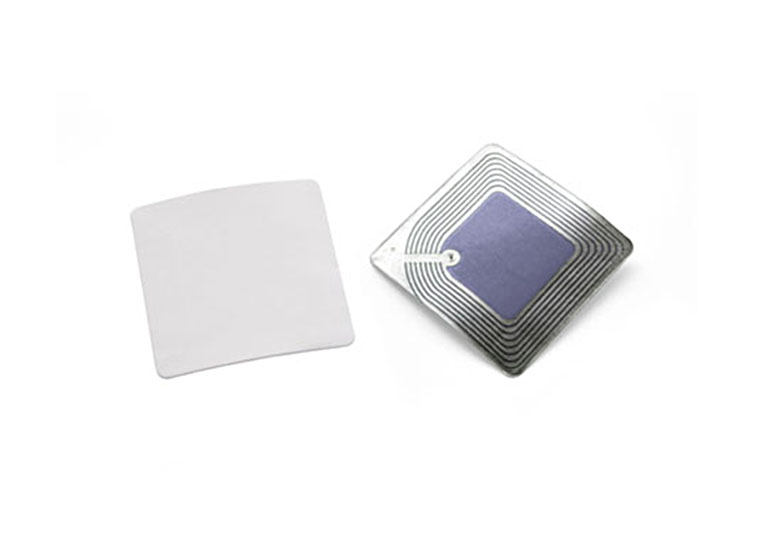
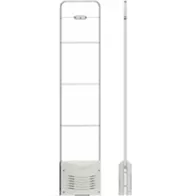
An EAS label attaches directly to merchandise and interacts with a store's detection infrastructure to monitor and safeguard inventory flow, producing an immediate alert if an active tag is taken beyond designated boundaries. These labels typically contain an embedded resonant circuit or magnetic component that resonates at a specific frequency when exposed to signals from electronic article surveillance detection antennas placed at store exits. When a product with an active label passes through these gates without proper deactivation at the point of sale, the system detects the signal and triggers an alarm, effectively alerting staff to potential theft attempts and allowing immediate intervention. This mechanism not only acts as a direct preventative measure against unauthorized removal but also serves as a visual and psychological deterrent, signaling to potential shoplifters that the premises are protected by an active loss prevention system.

Feature | RF EAS Labels | AM (Acousto-Magnetic) EAS Labels |
Operating Frequency | Generally around 8.2 MHz, suitable for many general retail environments | Around 58 kHz, offering longer detection range and stronger anti-interference |
Detection Range | Moderate range compatible with standard gate systems | Extended range and higher reliability in complex layouts |
Common Uses | Clothing, accessories, electronics | Large merchandise racks, supermarkets, high-value goods |
False Alarm Sensitivity | May be more susceptible to interference | Lower false alarm rates with better environmental stability |
This comparison illustrates how different EAS label technologies cater to varying retail security needs, with RF labels offering flexible general-purpose protection and AM labels providing more robust detection in environments that demand higher sensitivity and reduced interference, making choice of label integral to comprehensive loss prevention.
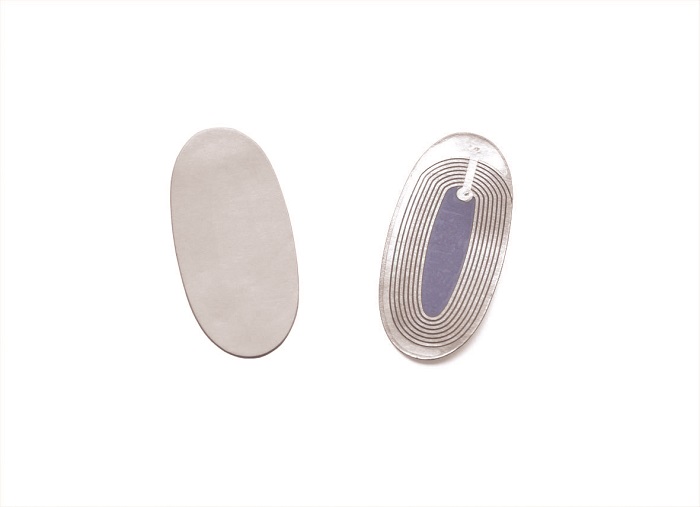
Beyond triggering alarms, an EAS label contributes to broader inventory control by reinforcing accountability across the retail lifecycle, from stockroom to sales floor. When labels are integrated with detection systems positioned at strategic exit points, they create checkpoints that continuously scan for active tags. This real-time monitoring helps retailers maintain awareness of product movement and can be coupled with analytics to identify patterns in shrinkage, enabling store managers to adjust staffing, layout, and surveillance practices accordingly. In addition, many modern EAS labels are designed to coexist with barcode and RFID technologies, allowing retailers to combine anti-theft functions with inventory tracking solutions that improve visibility into stock levels, turnover rates, and stock discrepancies. These integrated approaches enhance both security and operational efficiency across multiple retail touchpoints.
EAS labels remain essential to retail loss prevention because they address the fundamental challenge of unauthorized removal of merchandise without disrupting the shopping experience. By attaching small, often discreet tags directly to goods, retailers preserve product aesthetics while embedding a reliable security mechanism that operates passively until triggered. The ease of applying and deactivating EAS labels at the point of sale allows for seamless customer interactions and minimizes friction during purchase. Meanwhile, the detection systems that read these labels at exit points work continuously in the background, scanning for active signals without requiring constant staff oversight. As a result, EAS labels offer a blend of deterrence, active monitoring, and integration flexibility that helps retailers of all sizes reduce shrinkage, protect inventory integrity, and maintain customer trust in a secure shopping environment.

To fully realize the benefits of EAS label deployment, it is important for retailers to strategically place detection systems and select label types that align with store layout and merchandise characteristics. Placing detection gates at primary exit points ensures that attempted removals are detected consistently, while choosing labels compatible with current EAS technologies (e.g., RF or AM) improves reliability and minimizes false alarms. Retailers should also train staff on proper label application and deactivation procedures, ensuring that everyday operations do not inadvertently compromise security effectiveness. Additionally, periodic evaluation of false alarms and detection performance supports ongoing optimization, allowing retailers to balance sensitivity and customer experience. With these strategies in place, EAS label systems serve as a foundational element of a broader loss prevention strategy that promotes merchandise protection and supports sustainable retail operations.