


 English
  日本語
日本語  한국어
한국어  français
  Deutsch
  ไทย
ไทย  Español
  italiano
  português
  العربية
  हिंदी
हिंदी Tel
0571-28818756
 View More


In modern RFID implementations, an RFID inlay is the core component that determines not only identification performance but also how well the system withstands real-world environmental challenges. The inlay consists of an antenna and chip mounted on a thin substrate that must endure humidity, temperature changes, mechanical stress, and chemical exposure without compromising readability or reliability. Choosing the right inlay from reputable RFID inlay suppliers like those featured on the Hangzhou Century product page ensures that tags function consistently in demanding applications such as logistics, industrial inventory tracking, and outdoor asset management, where labels encounter varying conditions and must sustain performance over time. Environmental protection and physical durability are key factors that influence where and how RFID inlays are deployed, as they directly impact system uptime and operational efficiency while enabling seamless data capture across both controlled and harsh environments.

An RFID inlay must resist the environmental stresses inherent in its target application, and high-quality inlays from experienced RFID inlay suppliers are engineered for such diversity. These components are designed to be pressure-resistant, waterproof, corrosion-resistant and able to adapt to extreme conditions including high humidity or intermittent water exposure, making them suitable for embedding in apparel, industrial containers, or outdoor tags where moisture and variable weather conditions are present. The antenna and chip bond in an inlay is often the most sensitive area; if moisture or temperature fluctuations weaken this bond, the performance of the tag in terms of read range and data integrity can degrade. Proper inlay construction also addresses mechanical stress—such as bending and abrasion—by selecting substrate and adhesive materials that protect the critical electronic elements. Eas system suppliers who specialize in durable inlays ensure that their products meet performance expectations for these demanding conditions.
Characteristic | Wet Inlay | Dry Inlay |
Protection Layer | Built-in adhesive and protective film, suitable for moderate environments | Bare or minimal protective layer, requires encapsulation |
Durability | Enhanced protection against moisture due to substrate and glue | Depends on external packaging for environmental resistance |
Use Environment | Indoor/outdoor, retail, general logistics | Heavy industrial or embedded applications |
Integration | Easy application on surfaces | Suitable for embedding in products requiring secondary processing |
This comparison shows how different RFID inlay formats address environmental and physical durability factors differently. Wet inlays, with their integrated protective layers, offer better out-of-the-box moisture resistance, while dry inlays provide flexibility and customization potential for embedding in more complex or harsh environments when combined with appropriate protective materials. Choosing the right type based on environmental demands is crucial when working with RFID inlay suppliers to ensure product longevity and performance.

Durability for an RFID inlay is not a single metric but a combination of resistance to physical stresses and environmental conditions that could impede radio frequency performance. In logistics and warehousing, tags may experience repeated handling, impacts, or vibration as items move through conveyor systems. In industrial environments, inlays may be exposed to wide temperature swings, chemical splashes, or even pressure washers and cleaning agents, all of which require components that maintain readability under strain. For outdoor asset tracking, UV exposure from sunlight can deteriorate protective substrates, necessitating materials that resist ultraviolet degradation. These durability considerations matter because a compromised inlay can lead to data loss, decreased read range, and system inefficiencies that ripple through RFID workflows. High-quality RFID inlay suppliers factor in these environmental variables when designing label solutions to meet real-world performance requirements.
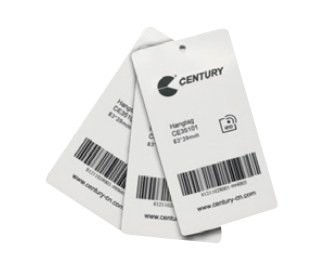
When selecting an RFID inlay for a specific environment, the material choices influence both environmental impact and operational resilience. Modern inlays may be designed with recyclable or eco-friendly substrates that align with sustainability goals, reflecting trends toward reduced environmental footprint in manufacturing and disposal processes. Environmental considerations like biodegradability, recyclable antenna metals, and low-impact adhesives are gaining traction among forward-looking operations that value sustainable asset tracking solutions alongside performance. Tags that can withstand harsh environments—without sacrificing ecological responsibility—offer dual benefits: prolonged in-service life and reduced environmental burden once their lifecycle concludes. As RFID inlay suppliers expand their material options to include such considerations, buyers gain the flexibility to implement RFID systems that satisfy both durability and environmental stewardship.
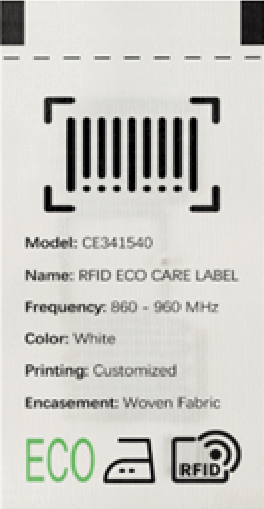
Durability in an RFID inlay ultimately contributes to the reliability and predictability of an entire RFID implementation. When tags consistently respond to readers under various environmental conditions, data collection becomes dependable, reducing the need for frequent replacements or system downtime due to tag failure. Reputable RFID inlay suppliers understand that the functionality of an RFID system hinges on the inlays at the heart of tags, so they provide products tailored to specific use cases—from inventory in controlled indoor environments to rugged outdoor tracking. By combining environmental resistance, robust physical design, and material advances, durable inlays help ensure that RFID deployments meet operational expectations over time, regardless of the environment they encounter.