




 English
  日本語
日本語  한국어
한국어  français
  Deutsch
  ไทย
ไทย  Español
  italiano
  português
  العربية
  हिंदी
हिंदी Tel
0571-28818756
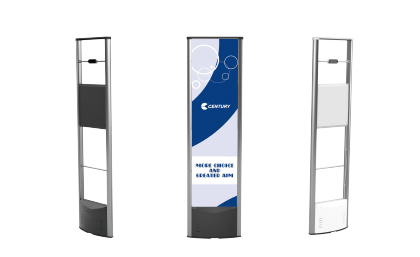 View More


Imagine this: it’s a bustling Saturday afternoon in your retail store. Crowds are moving through aisles, staff are managing inventory, and the register line is growing steadily. Suddenly, an alarm pierces the air. But instead of investigating, employees barely flinch, and customers continue shopping unabated. This isn’t just another day in retail—it’s a symptom of a critical issue: Alarm Fatigue.
As retail environments become more tech-heavy and high-traffic, traditional Electronic Article Surveillance (EAS) systems are facing new challenges. The solution? Optimizing the calibration and precision of your alarming tags to ensure effectiveness in this noise-filled 2026 landscape.
False alarms are more than an annoyance—they cost time, money, and customer trust. Understanding the root causes behind alarm fatigue is the first step to optimizing your loss prevention strategies.
The retail environments of 2026 are more connected than ever. Technologies like 5G, Wi-Fi 7, IoT (Internet of Things) devices, and smart mirrors create layers of signal interference. This interference often disrupts traditional EAS technologies like AM (Acousto-Magnetic) and RF (Radio Frequency) tags, triggering unnecessary alarms.
Human error also plays a role in false alarms. For example:
Improper Tag Placement: Tags placed too close to thick metal zippers or on curved surfaces often fail to communicate properly with EAS gates.
Expired Batteries or Hardware Issues: Old, uncalibrated alarming tags with degraded components lead to inconsistent performance.
High-sensitivity settings on EAS detection systems may seem like a good idea, but they often lead to a flood of false positives. When alarms go off too often and pointlessly, employees stop responding to them—leaving true incidents of theft unaddressed.
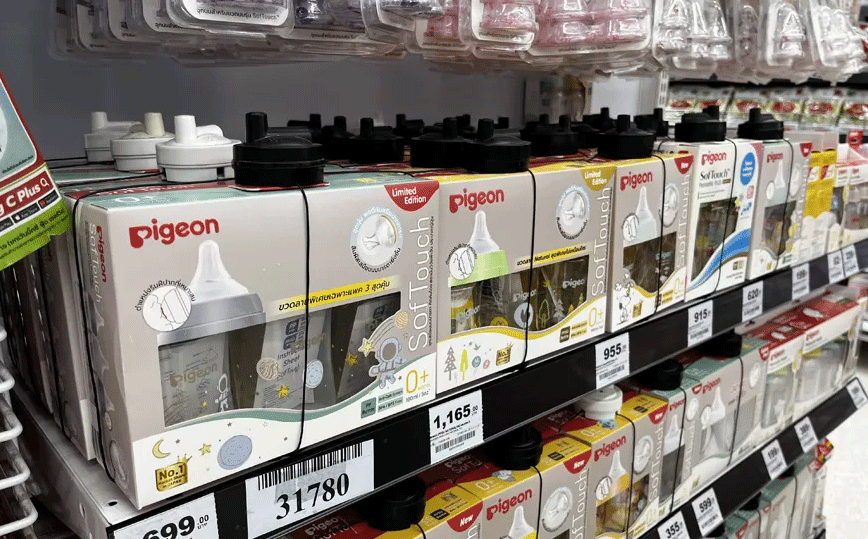
Not all alarming tags are created equal. Here's what you need to know about the technological advancements powering tomorrow’s loss prevention systems:
Standard Tags: Basic security solution relying on passive deactivation at EAS systems.
2-Way Alarming Tags: Alerts both at the detection gate and triggers a local alarm if tampered with.
3-Way Alarming Tags: The pinnacle of modern tag design, these tags sound an alarm:
At the detection gate during an active theft attempt.
When the tag is tampered with.
If the lanyard or wired tether is cut.
To combat signal interference in modern environments, manufacturers like Century have integrated Digital Signal Processing (DSP) technology into alarming tags. DSP helps distinguish between legitimate security breaches and harmless background noise.
Century’s alarming tags are built with robust materials, featuring protective shielding to prevent interference and stable oscillators that minimize performance degradation over time.
Don’t let outdated calibration compromise your theft prevention strategy. Here’s a step-by-step guide to ensure your alarming tags and EAS setup are optimized for accuracy:
Determine external sources of interference in and around your store. Key culprits include power lines, Wi-Fi routers, nearby metal racks, and even neighboring stores’ EAS systems. Conduct regular audits to identify and address these “ghost alarm” triggers.
Leverage modern EAS software that allows you to manually adjust and fine-tune system frequencies. By “notching out” problematic frequencies (e.g., those from IoT and 5G devices), you can significantly reduce false alarms without compromising security.
Different areas of your store may need unique sensitivity settings:
Luxury and high-value sections: These areas usually require greater EAS sensitivity to detect smaller tags.
Busy entrances and exits: Set lower sensitivity thresholds to minimize false alarms caused by dense foot traffic and external signal interference.
Alarm fatigue isn’t just an operational nuisance—it has real financial implications for retail businesses. Let’s dive into how optimizing your EAS systems creates a tangible return on investment (ROI).
Consider a store with 20 false alarms per day. If it takes staff two minutes to investigate each one, that’s 40 minutes a day—or nearly 4.7 hours every week—wasted. Adjusting your calibration reduces these unnecessary interruptions, freeing staff to focus on valuable tasks like helping customers or monitoring inventory.
Constant, jarring alarms create a poor in-store experience. In high-end retail environments, noise pollution directly threatens the shopping atmosphere, driving away potential sales and harming the brand’s image. Sleek, reliable systems improve the shopper’s perception of security and professionalism.
When every alarm counts, staff are much more likely to respond quickly and decisively. A well-calibrated system reduces false alarms and ensures no real theft attempt goes unnoticed.
The foundation of an effective EAS system lies in the quality of its components. That’s where Century comes in. With decades of experience in Electronic Article Surveillance systems, Century offers best-in-class alarming tags that combine durability, precision, and advanced technology.
Robust Materials: Our alarming tags are built with high-quality materials, ensuring reliable performance over time.
Advanced Technology: Features like DSP and multi-point detection make Century tags smarter and more accurate in today’s signal-heavy environments.
Customizable Calibration Options: Our EAS technology allows for easy setup and precise adjustments to meet your store’s unique needs.
Alarm fatigue threatens the effectiveness of every retail security system. But with proper calibration, modern alarming tags, and reliable EAS hardware, you can regain control over your store’s security.
Let’s face it—your security is only as strong as its weakest link. By tackling false alarm fatigue, you can protect your merchandise, enhance the customer experience, and save operational resources.