
 English
 日本語
 한국어
 français
 Deutsch
 ไทย
 Español
 italiano
 português
 العربية
 हिंदी
An AM EAS system commonly operates at 58 kHz, while a typical RF EAS system operates at 8.2 MHz. This difference affects tag compatibility, antenna design, detection performance, and system deployment.
For retailers, choosing between AM and RF involves more than frequency. Entrance layout, merchandise, existing EAS infrastructure, checkout procedures, and installation conditions should all be considered.
AM vs RF EAS: Key Differences
Feature | AM EAS | RF EAS |
Operating Frequency | 58 kHz | 8.2 MHz |
Technology | Acousto-magnetic | Radio-frequency |
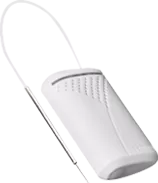
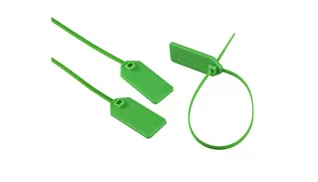
Security Tags | Hard tags and labels | Hard tags and labels |
Common Applications | Retail stores and demanding environments | Apparel, packaged goods and general retail |
Key Considerations | Entrance layout, environment, tag placement | Existing infrastructure, tag formats, installation environment |
AM and RF systems require compatible tags, labels, antennas, detectors, and deactivation equipment. An RF tag cannot be used with an AM system, and vice versa.

What Is an AM EAS System?
AM EAS (Acousto-Magnetic EAS) commonly operates at 58 kHz and is widely used for retail merchandise protection.
AM systems support both reusable hard tags and disposable labels, making them suitable for different merchandise categories. They can also be considered for stores with wider entrances or installation environments where certain types of electronic interference may be a concern.
Actual detection coverage depends on the antenna, tag type, installation layout, and surrounding environment. Testing with the intended products and tags is recommended before deployment.
What Is an RF EAS System?
RF EAS (Radio-Frequency EAS) commonly operates at 8.2 MHz and has a long history of use in retail loss prevention.
RF systems are available with a wide range of hard tags and adhesive labels, supporting applications such as apparel and packaged merchandise.
RF can be particularly practical for retailers that already have compatible RF tags, deactivation equipment, and store infrastructure. Maintaining the same technology can help simplify deployment across new or renovated stores.
As with AM, RF detection performance depends on the installation environment, antenna position, tag placement, and surrounding materials.
How to Choose Between AM and RF EAS
The right EAS technology depends on the complete store environment rather than frequency alone.
Entrance and Store Layout
Entrance width, antenna position, passage configuration, and customer flow can all affect detection coverage. A site assessment helps determine the appropriate antenna configuration and reading zone.
Merchandise and Tags
Consider the type, size, material, and packaging of the merchandise being protected. Retailers should confirm that the selected tags or labels can be applied consistently and work reliably with the EAS system.
Checkout and Deactivation
Soft labels typically require deactivation at checkout, while reusable hard tags need to be removed. The deactivation or tag-removal process should be considered together with the entrance system.
Existing Infrastructure
Existing EAS infrastructure can strongly influence the decision. Retailers already using RF tags and checkout equipment, for example, may prefer to maintain the same technology across additional stores.
Installation Environment
Metal structures, electronic equipment, product materials, and tag placement can affect EAS performance. Testing the system in the actual installation environment provides a more reliable basis for evaluation than comparing specifications alone.
Metal Detection
Some retailers may also need protection against concealment methods involving foil-lined bags or similar materials. Metal detection is a separate capability that can be combined with different EAS configurations.
Century offers both AM + metal detection and RF + metal detection solutions, allowing retailers to evaluate metal detection separately from the AM-versus-RF decision.
AM or RF: Which EAS Technology Is Right for Your Store?
There is no single EAS technology that fits every retail environment.
AM EAS can be considered when retailers need flexible merchandise protection and stable detection across different store environments.
RF EAS can be a practical choice for retailers with established RF infrastructure and a broad range of compatible tags and labels.
The final decision should consider entrance layout, merchandise, tag requirements, checkout processes, installation conditions, and existing infrastructure.
Century AM and RF EAS Solutions
Century provides AM and RF EAS systems, security tags, labels, deactivation solutions, and related retail security technologies for different store formats and merchandise protection requirements.
By evaluating the complete EAS system and store environment, retailers can select a solution that supports their current operations and future deployment plans.
Conclusion
Both AM and RF EAS systems can provide effective retail loss prevention when matched to the store environment. The decision should consider entrance layout, merchandise type, tag or label requirements, checkout processes and any existing EAS infrastructure.
Century provides AM, RF and related retail security solutions for different store formats. If you are planning a new installation or upgrading an existing system, contact Century to discuss the most suitable EAS configuration for your store.
Frequently Asked Questions About AM and RF EAS Systems
1. What is the main difference between AM and RF EAS?
They use different operating technologies and frequencies. AM systems commonly operate at 58 kHz, while RF EAS systems commonly operate at 8.2 MHz. Each requires compatible tags, labels and system equipment.
2. Is an AM EAS system better than RF EAS?
Neither technology is suitable for every store. The better fit depends on entrance design, merchandise, tag requirements, checkout equipment, installation conditions and existing infrastructure.
3. Can AM tags work with an RF EAS system?
No. AM and RF tags are designed for different detection technologies and should be used with compatible EAS systems.
4. Can a store use both AM and RF technology?
It is technically possible to operate different technologies within a retail business, but each protected area must use compatible tags, antennas and checkout equipment. Operational complexity should be considered before adopting multiple systems.
5. Does entrance width determine whether a store should use AM or RF?
Entrance width is one factor. Antenna model, tag performance, environmental conditions and installation geometry also influence the achievable detection coverage.
6. Should retailers test an EAS system before a large rollout?
Yes. Testing with the actual store entrance, merchandise and security tags helps confirm detection performance and identify installation issues before a wider deployment.